
The Small Details That Transform How Your Home Looks
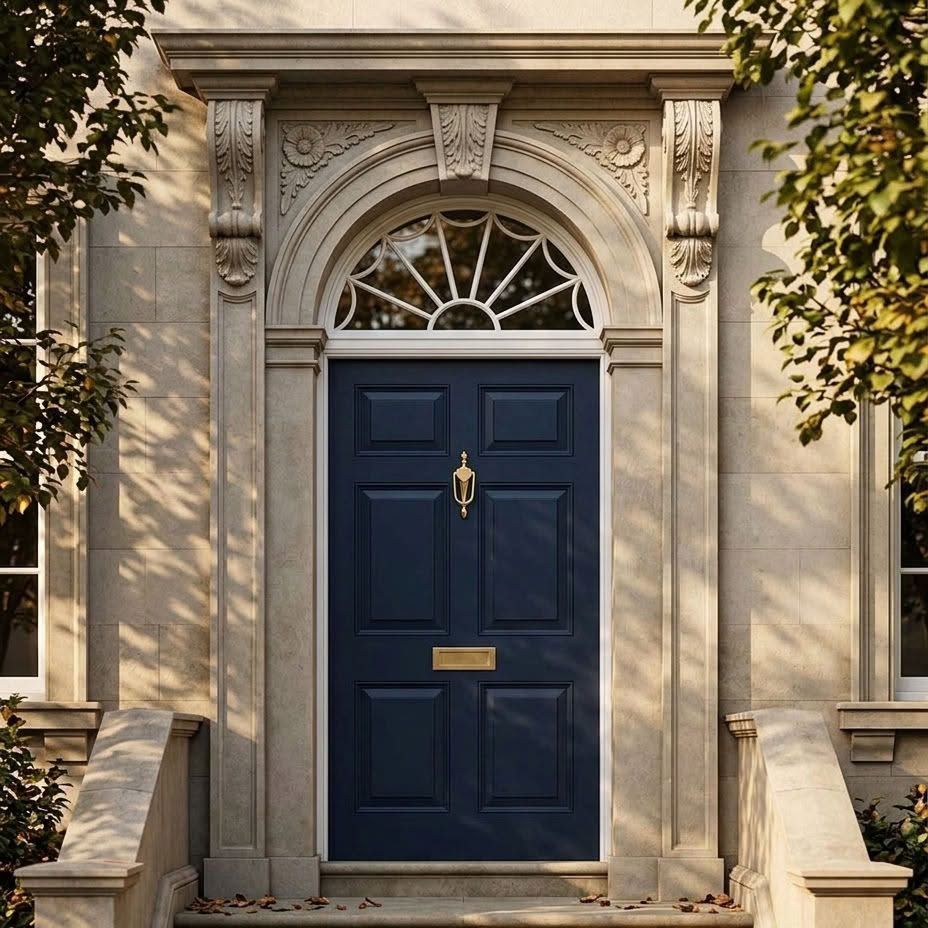
Update your metal fittings for a whole new look
Updating the metal fittings on your front door — letter plate, door handle, and doorbell — is one of the most effective ways to refresh your home's appearance. Choosing a consistent metal finish, or switching to a different one entirely, creates a noticeably more polished and cohesive result with minimal effort.
Some changes are obvious. A fresh coat of paint, a new garden path, a different front door entirely. But the details that sit quietly on the surface of a door — the letter plate, the handle, the doorbell — are often where the real transformation happens.
These pieces are small in size. Their impact is not.
Why does matching metal finishes make such a visual difference?
Mismatched metals are easy to overlook individually. A brushed steel handle here, a chrome letter plate there, a doorbell that came with the house and has never been considered since. None of these feel like a problem in isolation. Together, they create a subtle visual noise — a sense that nothing quite belongs.
Matching finishes work in the opposite direction. When the metal elements on a front door share the same tone and quality — whether that is polished brass, satin nickel, or matt black — the door reads as considered. The whole composition coheres in a way that is difficult to articulate but immediately felt.
The same principle carries indoors. Curtain poles, stair rails, window catchments, and door knobs in a consistent finish quietly tie a room together, without demanding attention.
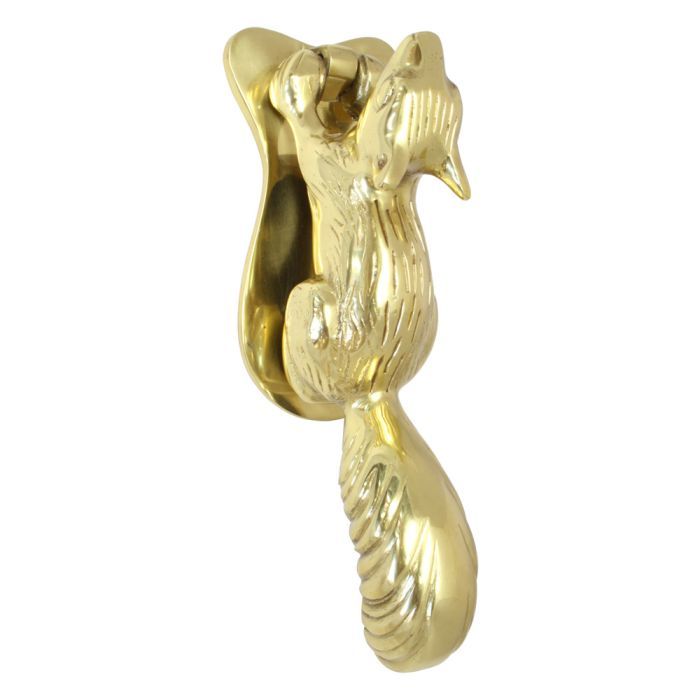
What difference does replacing worn fittings actually make?
There is a specific kind of shabbiness that comes from metal fittings that have aged poorly. Lacquer that has peeled. Scratches that have accumulated. A letter plate that sticks, or a doorbell surround that has gone dull.
Replacing these with well-made new fittings — same positions, same fixing points — is a straightforward task. The visual difference, however, is disproportionate to the effort. A front door that looked tired simply looks renewed. Not because anything structural has changed, but because the details have been attended to.
How does switching to a different metal finish change the look of a door?
This is where the transformation becomes most striking. A front door fitted with brushed steel hardware carries a cool, contemporary feeling. Replace those same fittings with polished brass and the door shifts register entirely — warmer, more traditional, more characterful.
The hardware has not moved. The door has not changed colour. But the personality of the entrance is different. That is the power of considered material choice.
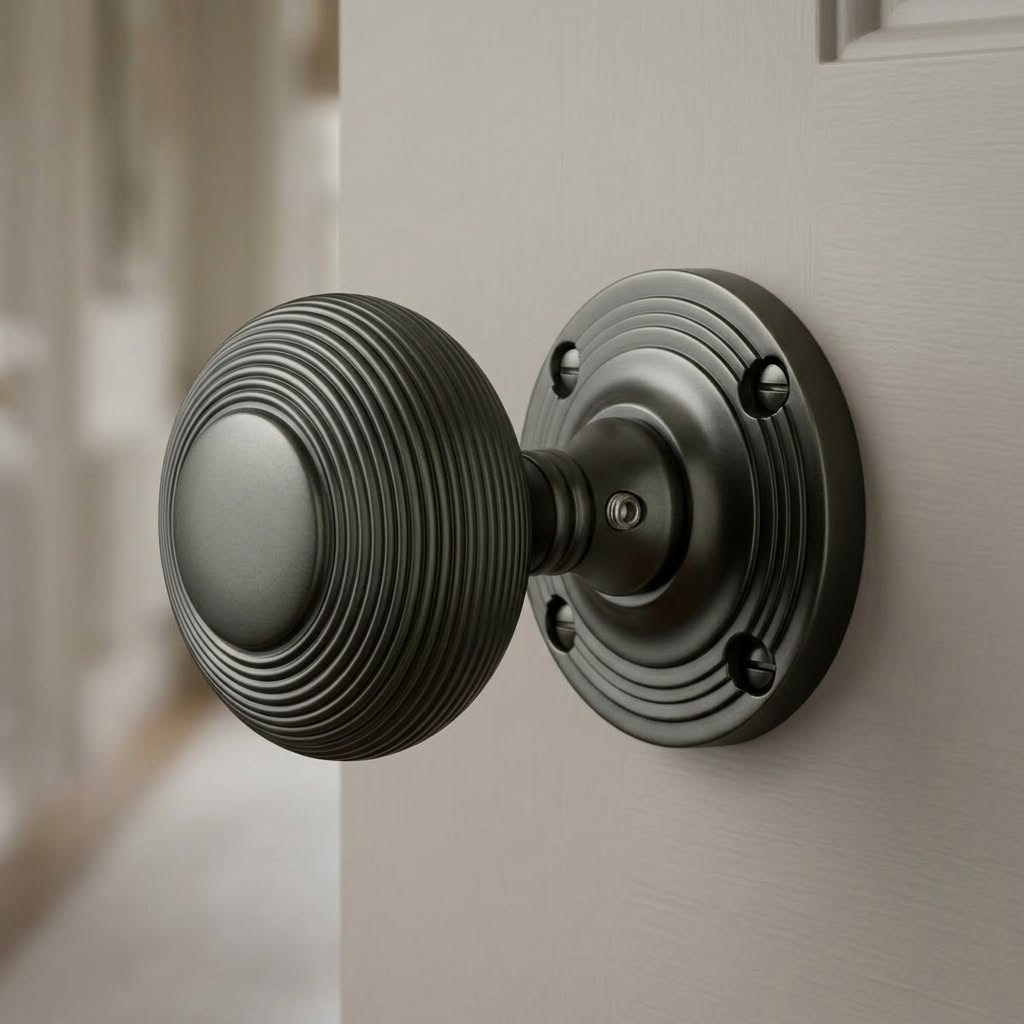
Where to start when updating your home's metal details
Begin with the front door. It is the most visible point of transition in any home — the place a visitor first encounters, and the place you return to every day. Letter plate, door handle, doorbell. Three pieces. One finish. The results speak for themselves.
From there, carry the logic through the rest of the house — window catchments, door knobs, curtain poles, stair rails. A consistent approach to metal finishes is one of the quieter ways to make a home feel genuinely well-considered.
Browse our collection of high-quality metal fixtures and fittings to find pieces that suit your home.
Frequently asked questions
Is it difficult to replace front door furniture such as a letter plate or door handle?
Most front door furniture — letter plates, handles, doorbells — fits standard fixing points and can be swapped out with basic tools. The process is straightforward and requires no specialist knowledge in most cases.
What metal finish works best for a front door?
The right finish depends on the style of your home and the look you want to achieve. Polished brass suits period and traditional properties. Matt black or brushed steel tends to work well with contemporary architecture. The key is consistency — choosing one finish and applying it across all fittings on the door.
Can you mix metal finishes in interior spaces?
Mixing metals indoors can work well when done deliberately — a warm brass curtain pole against a cooler satin nickel door knob, for example, can add depth to a room. The important thing is to keep the combinations intentional, and to limit the number of different finishes in any one space.
Which fittings should I prioritise when refreshing my home's metalwork?
Start with the pieces that draw the most attention: door handles, letter plates, doorbells, and window catchments. From there, curtain poles and stair rails offer a chance to carry the same finish through living spaces and hallways, creating a cohesive look throughout.